Name: Lydia Dean
Role: Graduate Student Researcher- University of California, Irvine
Project Title: Exploring the role of herbivore-induced plant volatiles in mediating indirect defense by insectivorous birds
Timeline: 2022-ongoing
Description: Plants have evolved a myriad of defense traits to repel insect herbivores, such as direct chemical (e.g., reducing palatability and nutritional content) and physical defenses (e.g., trichomes and leaf toughness). Indirect defense traits can provide food rewards, shelter (e.g. extrafloral nectaries and domatia), or foraging cues to arthropod natural enemies to increase their abundance around the plants, which subsequently reduces herbivory and benefit plants. Foraging cues can be provided by plant volatiles, which are organic compounds emitted by plants into the surrounding air. These are induced upon attack by herbivores, and the specific compounds and their blends have been found to attract natural enemies of the herbivores (e.g. arthropod predators and parasitoids) to the plant. However, the mechanisms in which plants may mediate the foraging of insectivorous birds, which are important predators of herbivore insects and thus beneficial to plants, is not yet fully characterized. Thus, this project investigates how herbivore-induced plant volatiles may mediate foraging of insectivorous birds as a form of indirect plant defense.
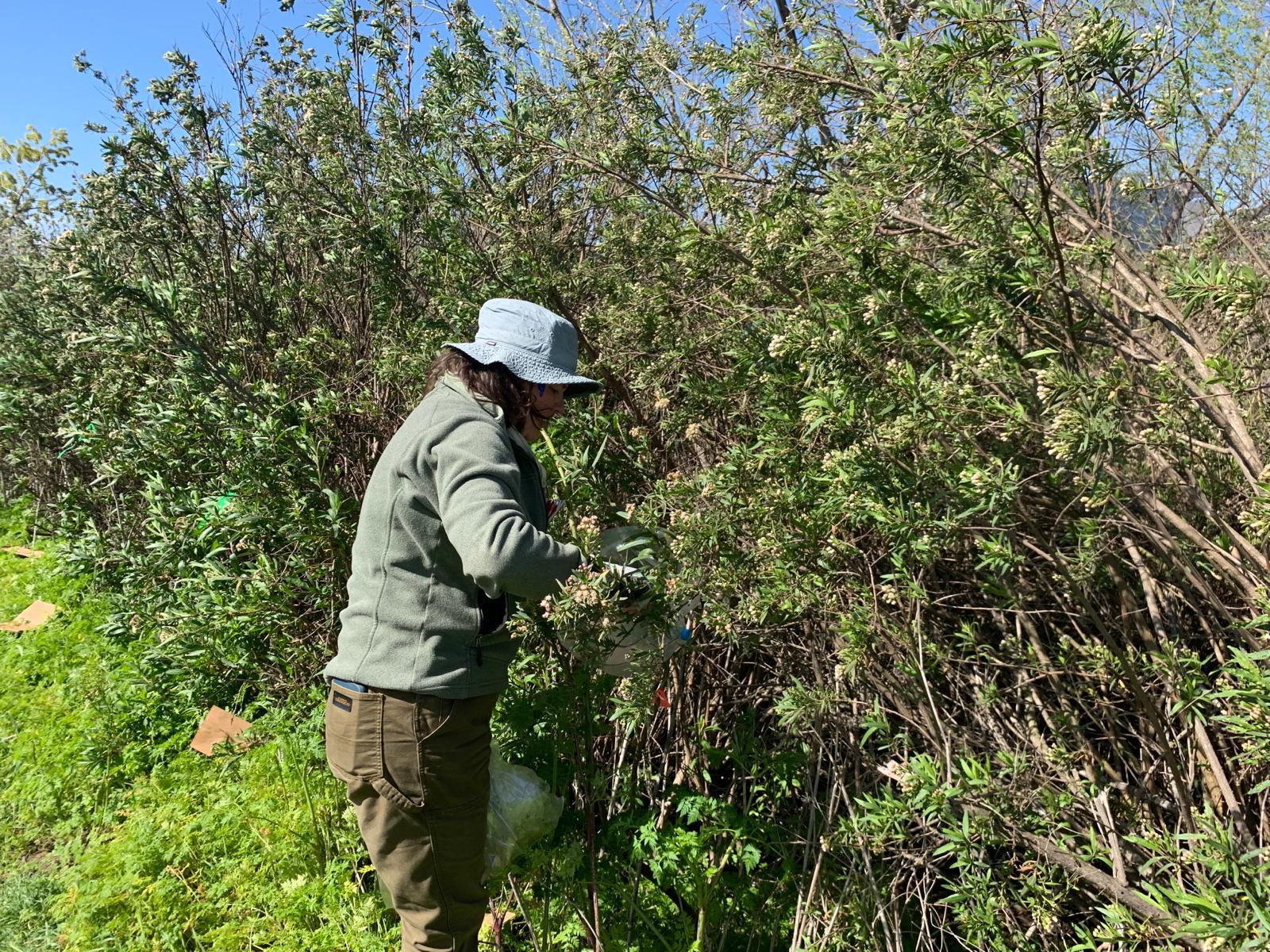
To do so, I am simulating herbivory on the plants using methyl jasmonate (a plant hormone that triggers the same biosynthetic pathway as herbivores) and then measuring predation rate on induced and control plants. I record predation on the plants using clay caterpillars (model caterpillars made from non-hardening clay that leaves an imprint of the attacker upon attack) and live mealworms. I am conducting this work on three plant species, California sagebrush (Artemisia californica) and California buckwheat (Eriogonum fasciculatum) located in the UCI Ecological Preserve, and on mulefat (Baccharis salicifolia) located in the UCI San Joaquin Marsh Reserve.
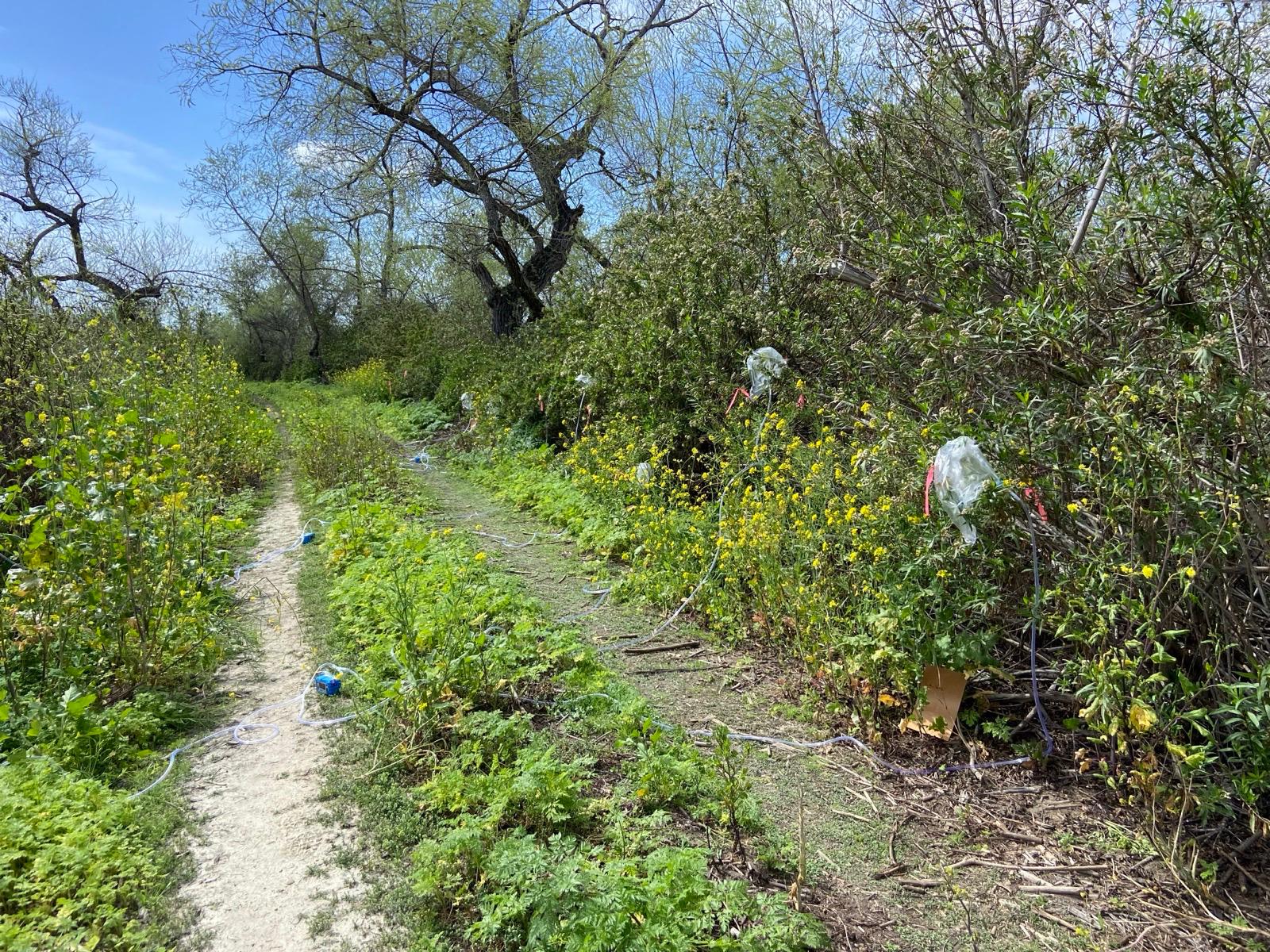
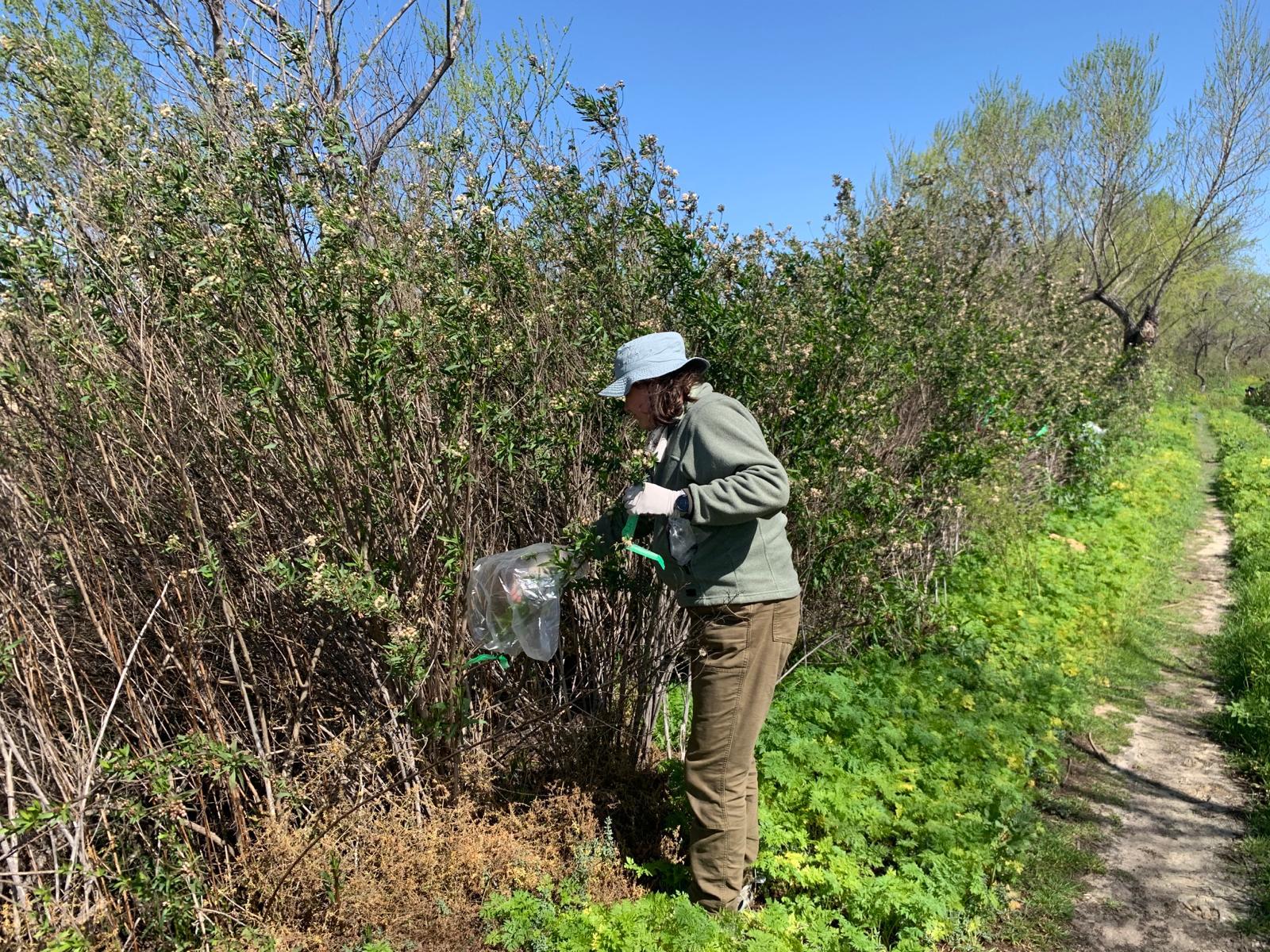
This work will provide insight into plant defense theory and interspecific variation in the plant defensive syndromes, contributing to our understanding of bird-mediated indirect defense.
Name: Barry S. Nerhus, Jr.
Role: Graduate Student Researcher – California State University, Long Beach
Project Title: The movements, habitat use, and population assessment of Western Pond Turtles (Actinemys marmorata) in a southern California seasonal wetland.
2008-2012
Description:
An estimated 90% of natural wetlands in California have been converted to urban or agricultural uses, and this habitat loss has had a negative impact on many aquatic species. The western pond turtle was previously proposed for listing under the Federal Endangered Species Act, but listing was declined due to a lack of information about abundance and distribution of this species. This project used mark-recapture methods and radio tracking techniques to study population size, habitat use, and reproductive potential of western pond turtles in the San Joaquin Marsh Reserve. 20 nesting sites were identified and the population size was estimated at 306 individuals, which is the largest reported estimate in southern California.
Name: Michael Goulden, et. al.
Role: Faculty – University of California, Irvine – Earth System Science
Project Title: Factors that control Typha marsh evapotranspiration
1999-2004
The researchers examine the physical and biological factors affecting the rate of evaporative water loss from Typha-dominated marshes, and contrast the results with evaporation rates from other vegetation types. Key conclusions are that (1) evaporation from plants represents 80% of total evaporation in the marsh, (2) a thick accumulation of organic matter covering surface water keeps water temperatures low, resulting in a very low rate of surface water evaporation, (3) the evapotranspiration rate of the marsh ecosystem is similar to the rates that have been reported for upland grasslands.
Inventory and Monitoring of Invasive Shot-Hole Borers in Riparian Tree Communities at UC Irvine
Initiated spring 2017, ongoing.
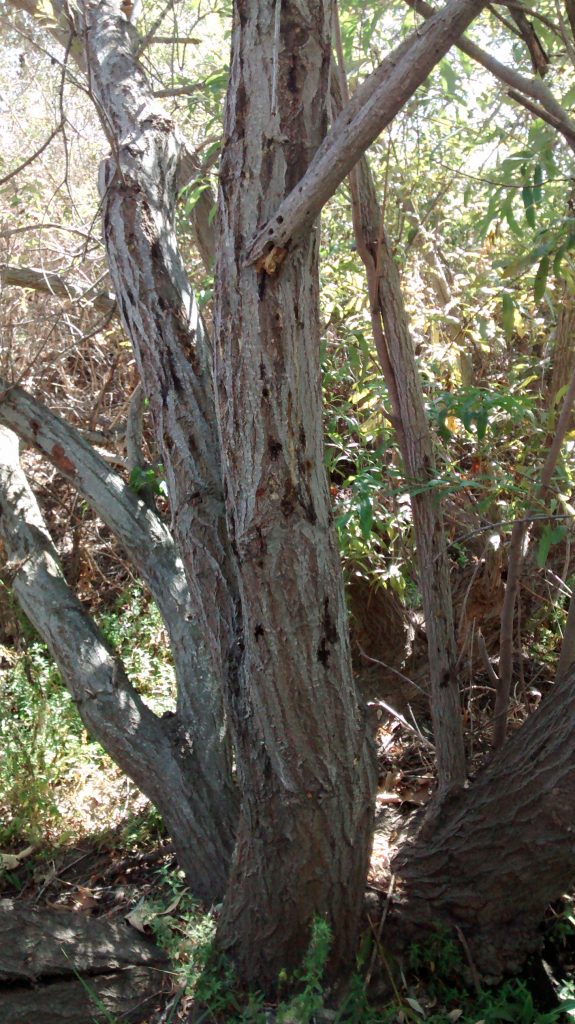
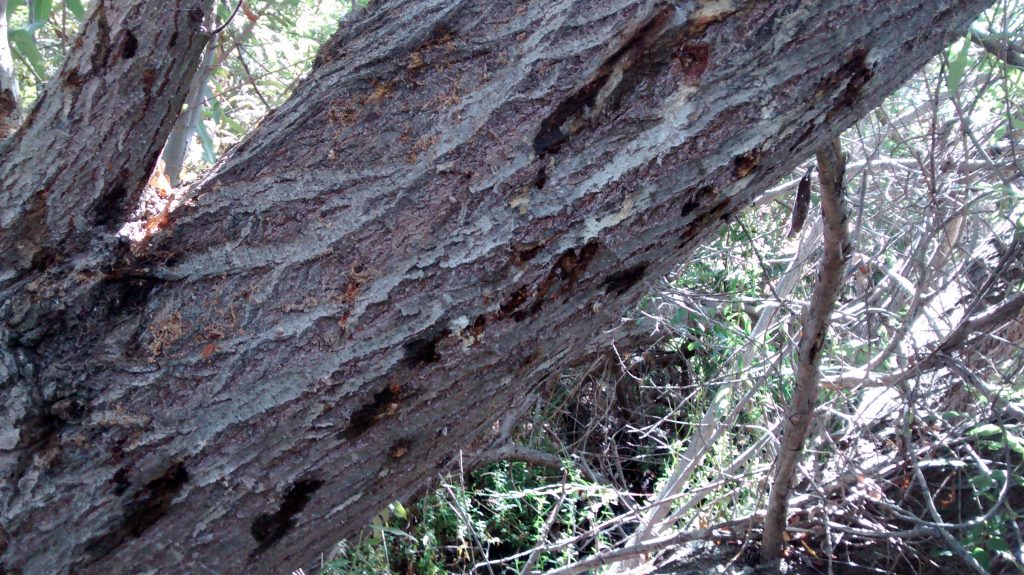
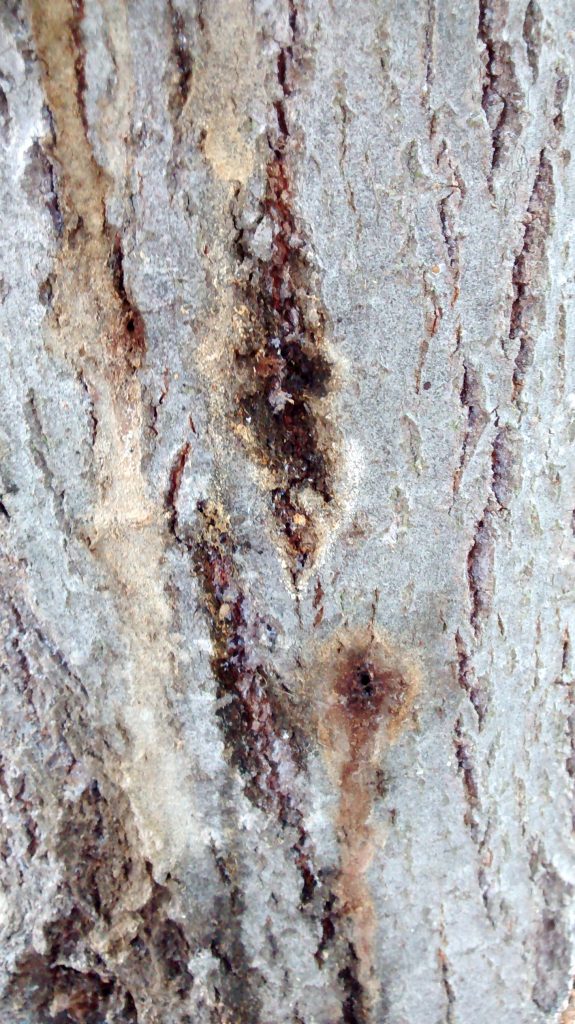
Invasive Shot-Hole Borers (ISHB) are beetles in the genus Euwallacea that have been vectoring a disease known as Fusarium Dieback across a wide variety of tree species throughout southern California since the early 2000s. Infestation up to the landscape scale has occurred within urban, agricultural, and natural environments, and rates of tree mortality have been high in many areas. Although cultivated areas around UC Irvine have been well surveyed for ISHB, little information is available regarding the status of ISHB in natural and restored vegetation around the campus.
The purpose of this project is to examine Platanus racemosa, Populus fremontii, and Salix trees in riparian and wetland habitats for the presence and density of ISHB holes. Individual trees have been categorized according to their infection level and physically tagged to allow recurrent monitoring. Results from the surveys will be used for land management planning at UC Irvine and shared with regional academic and public agency partners to further understand the broader ecology of the ISHB epidemic in California.